

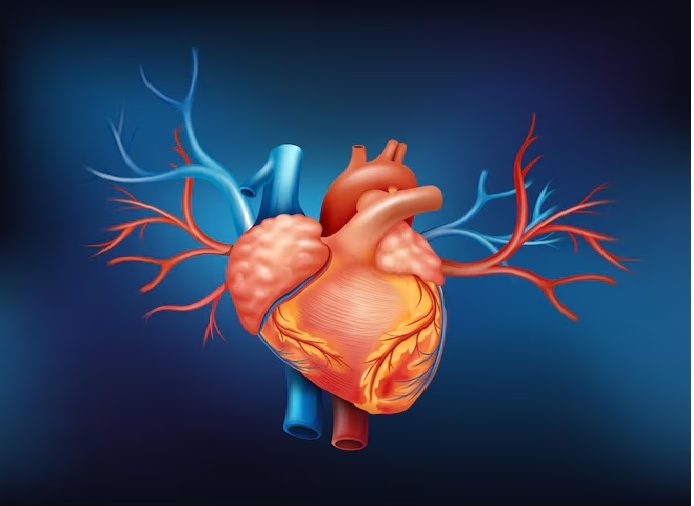
Heart Attack vs Cardiac Arrest: Know the Difference
Many people confuse a heart attack with cardiac arrest, but they are very different. Knowing the difference can save lives.
What is a Heart Attack?
A heart attack happens when blood cannot reach part of the heart. Usually, a blood clot or fatty buildup blocks an artery. Because of this, the heart muscle starts to get damaged.
People often feel chest pain, pressure, or tightness. The pain may spread to the arm, neck, or jaw. Other symptoms include shortness of breath, nausea, sweating, or dizziness.
Stay up to date with the latest news. Follow MET on Instagram
Even during a heart attack, the heart usually keeps beating. Immediate medical attention is critical. Doctors can use medications or surgery to restore blood flow. Acting fast limits heart damage and improves survival.
What is Cardiac Arrest?
Cardiac arrest occurs when the heart suddenly stops beating. This is usually due to an electrical problem in the heart. Blood stops flowing to the brain and other organs immediately.
People collapse suddenly and lose consciousness. They may stop breathing and have no pulse. Without fast action, death can occur within minutes.
CPR and defibrillation are essential to save lives. Sometimes, cardiac arrest happens after a heart attack, but it can also occur without warning.
Heart Attack vs Cardiac Arrest: Key Differences
Here is an easy way to understand the difference:
| Aspect | Heart Attack | Cardiac Arrest |
|---|---|---|
| Cause | Blocked blood flow to the heart | Electrical problem in the heart |
| Heart Activity | Heart keeps beating | Heart stops beating |
| Consciousness | Person may stay awake | Person loses consciousness |
| Emergency Action | Call 911, get treatment | Call 911, start CPR immediately |
| Survival | Higher with prompt care | Low without immediate intervention |
Why Understanding Matters
Knowing the signs of a heart attack vs cardiac arrest can help you act fast. Quick action saves lives. Learn CPR and keep emergency numbers handy.Remember, a heart attack can lead to cardiac arrest. Recognizing symptoms and responding quickly gives the best chance of survival.
Also Read:
Gulf Asia Investments: Why the Middle East is Looking East
Autism is Increasing: Why More Kids Are Being Diagnosed