

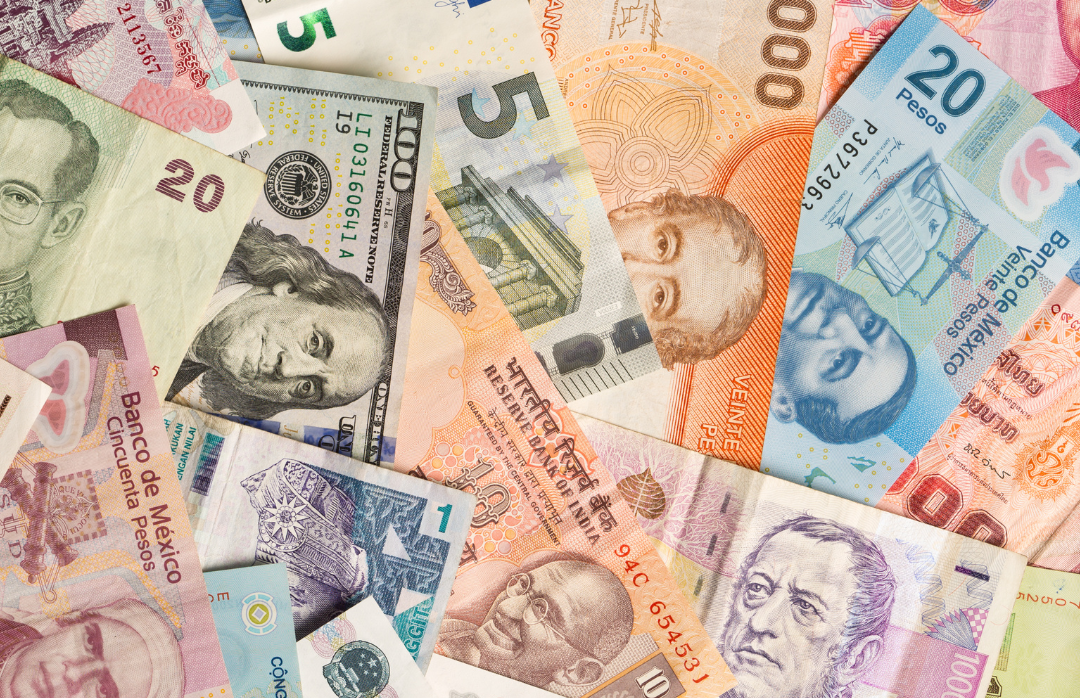
The total GCC foreign reserves have reached an impressive $804.1 billion, highlighting the region’s strong financial position. This increase reflects the economic stability of Saudi Arabia, the UAE, Qatar, Kuwait, Oman, and Bahrain despite global financial challenges. Higher oil prices, smart investments, and economic diversification have played a key role in boosting these reserves.
Why GCC Foreign Reserves Are Growing
The GCC countries have built their foreign reserves through steady economic policies and strong trade surpluses. Several key factors have contributed to this growth:
1. High Oil and Gas Revenues
Oil and gas exports remain the biggest source of income for GCC Nations. Rising global demand and stable prices have helped these countries earn huge revenues. Saudi Arabia, the UAE, and Qatar, in particular, have benefited from their strong positions in the energy market.
2. Smart Economic Diversification
GCC countries are investing in industries beyond oil, such as tourism, finance, and technology. The UAE has strengthened its tourism and real estate sectors, while Saudi Arabia has launched major projects under its Vision 2030 plan. These efforts ensure long-term financial security and reduce dependence on oil.
3. Strong Banking and Financial Policies
Governments across the GCC have managed their money wisely. They have cut unnecessary spending, controlled inflation, and ensured their banking systems remain stable. These financial strategies help protect their economies from sudden market changes.
4. Strategic Investments
Sovereign wealth funds, such as Saudi Arabia’s Public Investment Fund (PIF) and Abu Dhabi Investment Authority (ADIA), have played a crucial role in increasing reserves. These funds invest in global markets, infrastructure, and technology, ensuring steady financial growth for the region.
How This Affects the GCC Economy
With such high foreign reserves, GCC countries can maintain currency stability and handle any economic downturns. These reserves act as a financial cushion, allowing governments to invest in development projects without worrying about external financial shocks.
For businesses and investors, strong foreign reserves mean greater confidence in the region’s economy. More money in reserves makes the GCC a safer place for investments, boosting trade and employment opportunities.
What Lies Ahead for GCC Foreign Reserves?
Experts predict that GCC foreign reserves will continue growing as nations push forward with economic reforms. However, certain risks, such as fluctuating oil prices and global recessions, could impact future growth. To stay strong, GCC countries must continue their diversification efforts and focus on sustainable investments.
With ongoing Vision 2030 and Vision 2050 initiatives, GCC countries are building a future where they rely less on oil and more on innovation. Their rising foreign reserves prove they are on the right path toward long-term economic stability.
Also Read:
Ramadan 2025 Timings: Important Changes in the UAE
KSA – South Korea Join Hands to Boost Film Industry