

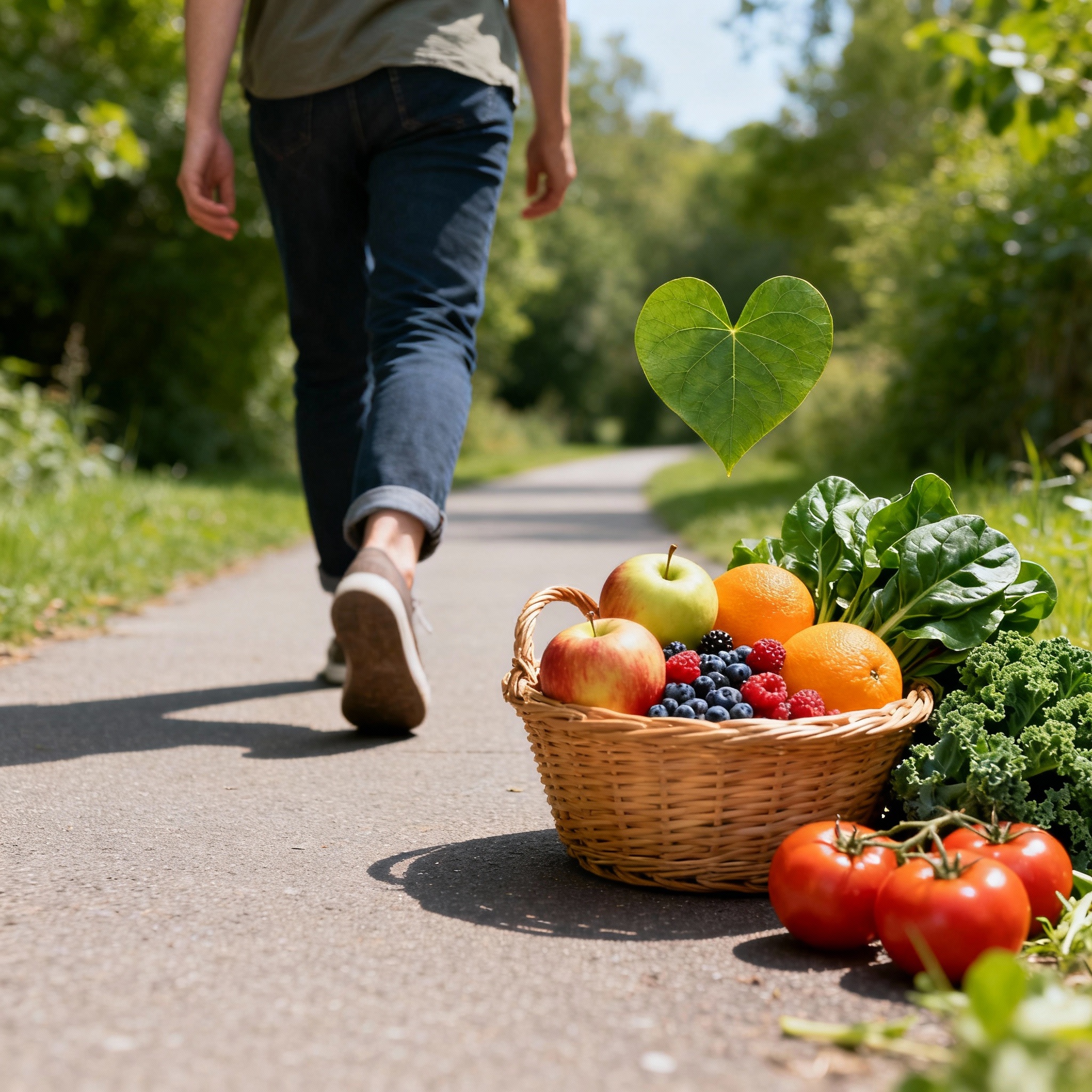
Blood Thinning Lifestyle Changes: How to Keep Your Blood Healthy
Blood thickening is becoming a common problem today. Thick blood can cause clots, heart issues, and strokes. Fortunately, simple blood thinning lifestyle changes can reduce this risk. By understanding why blood thickens and adopting healthy habits, anyone can improve circulation naturally.
Why Blood Thickens
Several factors make blood thicker than normal. First, sedentary lifestyles play a big role. Sitting for hours slows blood flow. This increases the chance of clots. Second, diet affects blood thickness. Processed foods, fried items, and too much sugar trigger inflammation. Even mild dehydration can thicken blood quickly.
Health problems also contribute to thick blood. Obesity, diabetes, high blood pressure, and high cholesterol all increase clot risk. Heart and kidney diseases can change blood composition. Age and genetics matter too. Older people or those with family clotting history face higher risks.
Environment and lifestyle factors worsen the problem. Pollution inflames blood vessels. Smoking and excessive alcohol also thicken blood. Chronic stress releases hormones like cortisol. These make blood “sticky” and more prone to clots.
Stay up to date with the latest news. Follow MET on Instagram
Easy Blood Thinning Lifestyle Changes
The good news? You can prevent thick blood naturally. Here are simple blood thinning lifestyle changes anyone can follow.
1. Drink Enough Water
Water keeps blood flowing smoothly. Drink 2–3 liters daily. Eat water-rich foods like cucumbers, oranges, and watermelon. Avoid sugary drinks that dehydrate your body.
2. Stay Active
Exercise improves circulation and reduces clot risk. Walk, stretch, or do light exercises 30 minutes daily. If you sit long hours, take short activity breaks. Even small movements help blood flow.
3. Eat Heart-Friendly Foods
Certain foods naturally thin blood:
- Fatty fish like salmon and mackerel (omega-3)
- Garlic and ginger for anti-clotting effects
- Citrus fruits and berries for antioxidants
- Leafy greens for vitamin K balance
Avoid processed foods, fried items, excess sugar, and too much red meat.
4. Reduce Stress
Stress makes blood sticky. Meditate, practice deep breathing, or do yoga. Go outdoors or spend time with family. Sleep 7–8 hours daily to lower stress hormones.
5. Quit Smoking and Limit Alcohol
Smoking damages blood vessels. Alcohol dehydrates and thickens blood. Reduce alcohol intake. Avoid smoking completely to improve circulation.
6. Maintain Healthy Weight
Extra weight increases blood thickness. Even losing 5–10% of body weight helps circulation. Combine diet changes and daily activity for best results.
7. Regular Health Checkups
Check blood pressure, cholesterol, and blood sugar regularly. Ask your doctor for coagulation or platelet tests if needed. Early monitoring prevents blood-related complications.
Final Thoughts
Blood thickening affects many people, but simple steps can reduce risk. Implement blood thinning lifestyle changes like staying hydrated, eating healthy, exercising, reducing stress, and avoiding smoking. Even small, consistent changes improve blood flow.
These habits not only prevent thick blood but also support heart health. Start today and make these lifestyle changes part of your routine. Healthy blood ensures better energy, circulation, and overall well-being.
Also Read:
GITEX 2025: Easy Ways to Skip Traffic and Arrive Stress-Free
First 6G Terahertz Pilot in Abu Dhabi Breaks Speed Record