

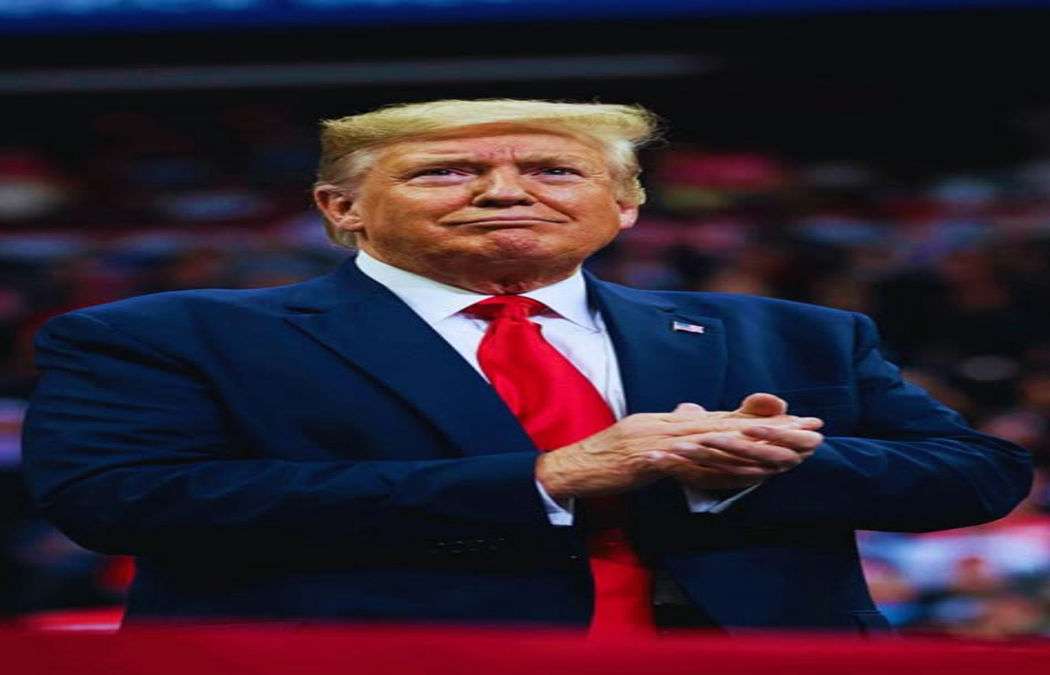
Trump Tariffs Spark Global Market Shock and Consumer Worries
What Are Trump Tariffs?
Trump Tariffs are import taxes placed on goods coming from foreign countries. These tariffs aim to protect local industries and generate revenue for the government. The new policy includes a 10% tariff on all countries and up to 50% on some. This change marks a shift from open trade to strict protectionism.
Why Trump Uses Tariffs
Trump Tariffs aim to boost local production and reduce reliance on foreign goods. They seek to protect domestic jobs and reduce the trade deficit. The administration believes tariffs ensure fair trade with stronger economic control. This policy treats tariffs as a tool for both economy and national security.
How Trump Tariffs Affect Consumers
Tariffs increase the cost of imported goods for local businesses and consumers. Higher costs force businesses to raise prices on finished products and services. Consumers feel the pinch, especially when buying goods with foreign components. Auto parts, electronics, and household items see the biggest price increases.
Trump Tariffs Shake Global Markets
Stock markets around the world dropped sharply after Trump Tariffs took effect. The decline triggered fears of a possible economic downturn. Economists believe the market reaction stems from trade uncertainty and inflation risks. Some analysts argue the crash reflects investor fear, not actual economic collapse.
Retail Investors Buy the Dip
Despite the crash, some investors saw a buying opportunity during the decline. They bought stocks of strong companies at lower prices, hoping for long-term gains. This trend shows confidence in market recovery despite short-term instability.
Impact on Global Trade and Economy
Trump Tariff disrupted global supply chains and raised fears of trade wars. Other countries responded with their own tariffs, worsening trade tensions. The policy threatens global trade stability and increases economic uncertainty. Global consumption may fall due to rising prices and reduced purchasing power.
Who Bears the Burden of Tariffs?
Consumers ultimately pay the price through higher costs on everyday goods. Local manufacturers face challenges if they rely on imported raw materials. Tariffs help some industries but harm many others through inflation and reduced demand.
The Path Forward
The world must adjust to Trump Tariff and their lasting global impact. Stronger domestic policies may help reduce dependence on imports and improve resilience. Negotiations between trading partners could help ease tensions and restore balance.