

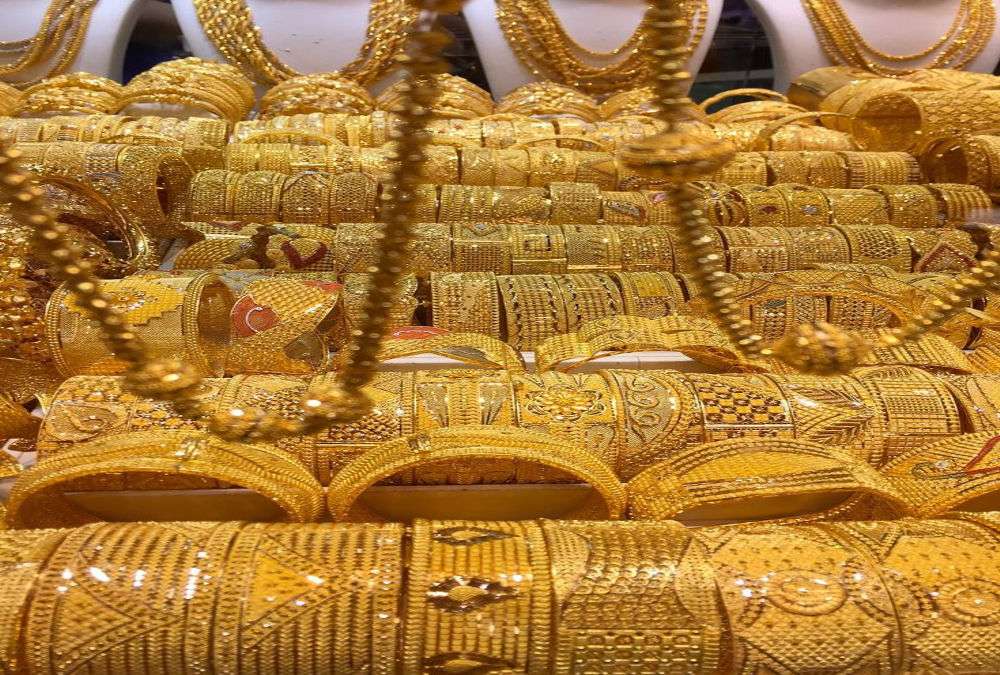
Gold Prices Rise Above Dh400 Amid Global Debt and Geopolitical Tensions
Gold prices rise above Dh400 per gram in Dubai, reaching a two-week high on Thursday. The precious metal’s global rate climbed past $3,340 per ounce due to US debt concerns. At Dubai’s market opening, 24 karat gold traded at Dh402.5 per gram. Other variants also saw increases: 22 karat at Dh372.5, 21 karat at Dh357, and 18 karat at Dh306 per gram. Spot gold rose to $3,338.82 per ounce, up 0.74 percent.
US Debt Fears Push Gold Prices Rise
US Treasury’s $16-billion bond sale saw weak demand on Wednesday. This caused pressure on the dollar and Wall Street markets. Moody’s recent downgrade of the US triple-A credit rating added to market jitters. Traders fear rising US debt will hurt economic stability. This uncertainty fuels investors’ interest in gold as a safe haven. Many investors turn to gold amid fears of inflation and currency devaluation.
Geopolitical Tensions Drive Gold Prices Rise
George Khoury, CFI’s research head, links gold’s rise to global debt and tensions. The Russia-Ukraine conflict and Middle East issues keep geopolitical risks high. These conflicts push investors to buy gold for security. The dollar’s past weakness also helped increase gold prices. Its recent recovery caused a temporary gold price dip. Political instability and trade disruptions continue to support gold demand worldwide.
Market Outlook and Price Predictions
Central banks, investment firms, and hedge funds predict higher gold prices. Some forecasts target $3,500, $3,750, or even $4,000 per ounce. Khoury says these projections remain possible given current conditions. Investors watch closely as global risks continue to influence prices. Gold remains a key asset amid economic uncertainty and geopolitical unrest. Analysts advise investors to monitor debt trends and global conflicts carefully. In summary, gold prices rise sharply due to US debt fears and ongoing tensions. Market experts expect this upward trend to continue in the near future. Gold’s safe-haven appeal remains strong as global uncertainties persist.