

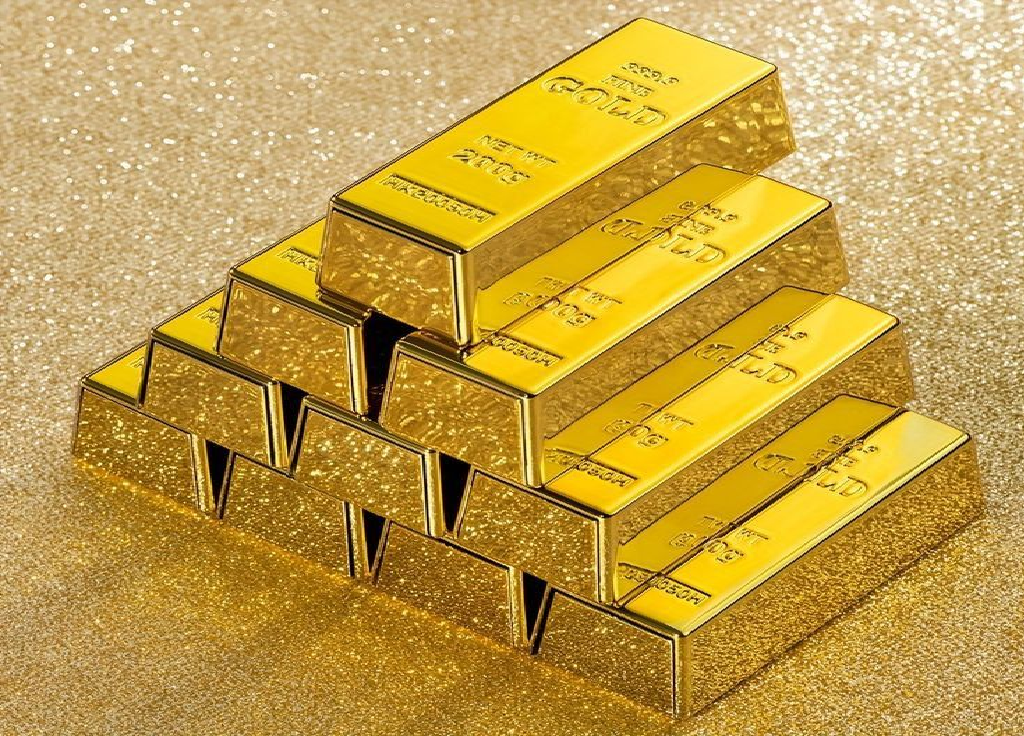
Gold Hits a Historic Milestone
Gold prices have crossed the $3,000 per ounce mark for the first time, reinforcing its reputation as a safe-haven asset. On March 14, 2025, spot gold climbed to $3,000.87 per ounce during morning trading. This surge represents a 0.4% increase, adding to the metal’s impressive 17% rise this year. Investors are flocking to gold as global economic uncertainties intensify.
Trade Tensions Fuel Gold’s Surge
One major factor behind this price jump is growing trade tensions. U.S. President Donald Trump has threatened a 200% tariff on European wine and champagne. This move comes in response to the European Union’s 50% tariff on American whiskey. These escalating trade disputes have sparked fears of a global economic slowdown. As a result, investors are turning to gold, which is traditionally seen as a stable asset during financial turmoil.
Stay up to date with the latest news. Follow MET on Instagram.
Stock Market Uncertainty Drives Investors to Gold
The impact of these trade policies extends beyond commodities. The S&P 500, a key U.S. stock market index, has entered correction territory. Investors worry about a potential global recession, leading many to seek the security of gold. As stock market losses mount, gold’s prices continue to rise.
India Follows the Global Trend
India, the world’s second-largest gold consumer, is seeing similar price movements. On the Multi Commodity Exchange (MCX), gold futures for April delivery hit a record ₹88,280 per 10 grams. This 0.57% increase reflects both international trends and local factors like currency fluctuations and demand shifts.
Central Banks Boost Gold’s Demand
Governments and financial institutions are also contributing to gold’s rise. China’s central bank has been purchasing gold for four straight months. This growing institutional demand further strengthens gold’s appeal as a safe-haven asset.
Gold’s Future Looks Bright, But Risks Remain
Experts predict gold prices could reach $3,500 per ounce by the third quarter of 2025. However, potential resolutions to trade disputes or shifts in monetary policies could cause price fluctuations. Investors should stay cautious and maintain diversified portfolios to navigate uncertain markets effectively.
Also read:
Middle Eastern Stocks Drop as U.S. Tariff Fears Grow
UAE Aluminium Exports Surge to US Ahead of Trump Tariffs
ADIA Expands US AI Investments as Abu Dhabi Sovereign Fund Ramps Up Strategy