

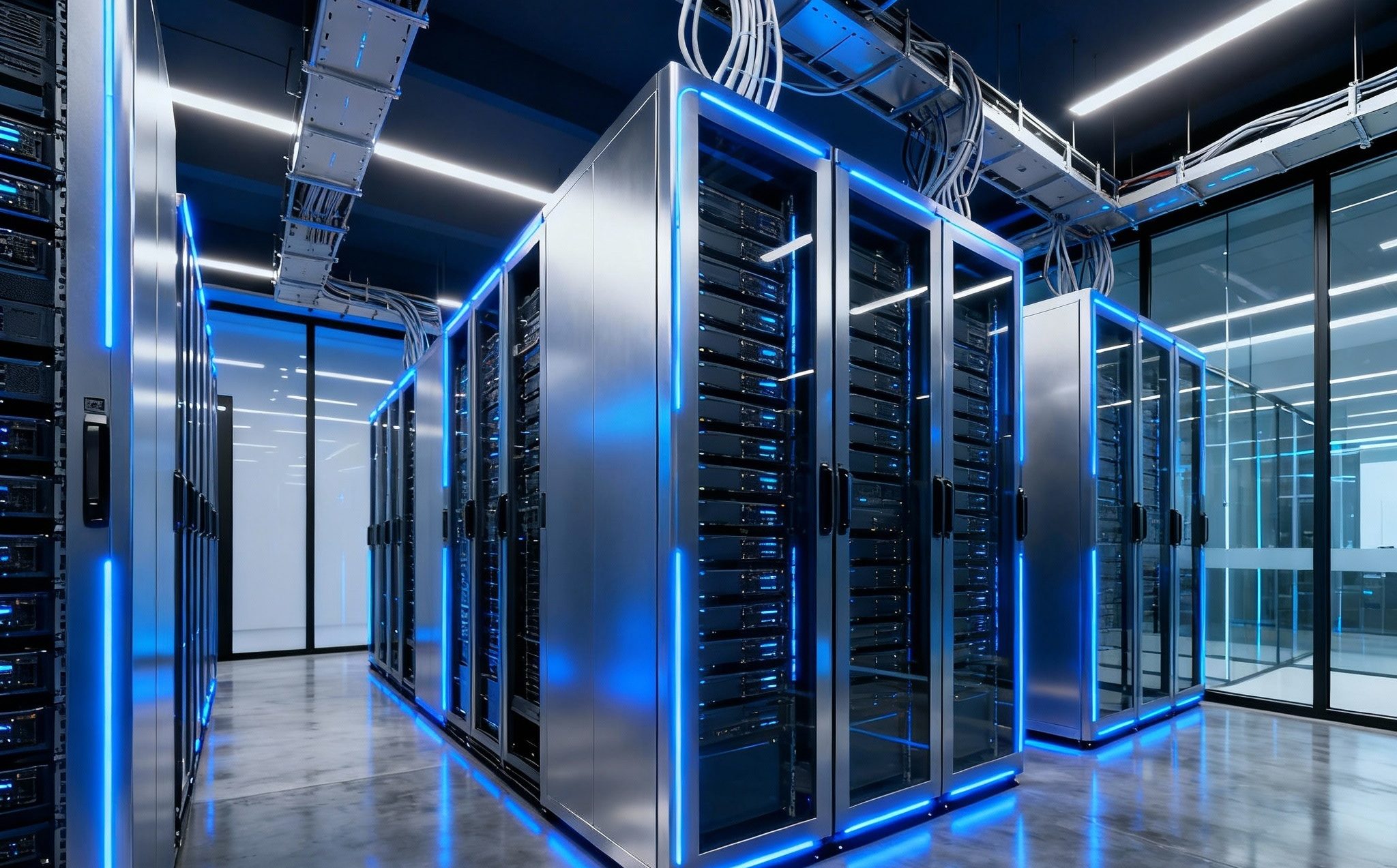
Middle East AI Hubs: Transforming the Region into a Global AI Powerhouse
The Middle East is rapidly evolving into a significant player in the global artificial intelligence (AI) landscape. Countries like the United Arab Emirates (UAE) and Saudi Arabia are leading this transformation by investing heavily in AI infrastructure, particularly data centers. These initiatives are positioning the region as a key hub for AI development and innovation.
UAE’s Stargate Project
-
G42 leads the massive “Stargate” AI data center project.
-
Project aims to build one of the world’s largest AI hubs outside North America.
-
Supported by OpenAI, NVIDIA, Oracle, and other tech giants.
-
Positions UAE as a top Middle East AI Hub.
Saudi Arabia’s Vision 2030: Humain and AI Data Centers
Saudi Arabia’s Vision 2030 includes a strong focus on AI development. The establishment of Humain, a state-backed AI company under the Public Investment Fund (PIF), marks a significant step in this direction. Humain is constructing its first AI data centers in Riyadh and Dammam, with plans to launch them by early 2026. These centers will utilize advanced U.S.-made semiconductors, highlighting the Kingdom’s commitment to integrating cutting-edge technology into its AI infrastructure.
Stay up to date with the latest news. Follow MET on Instagram
Strategic Investments and Global Partnerships
-
MGX Fund invests $100 billion in AI technologies and data centers.
-
Abu Dhabi’s Mubadala partners with U.S. Energy Capital Partners.
-
$25 billion allocated to expand power for AI projects.
-
These investments strengthen Middle East AI Hubs globally.
Challenges and Future Outlook
While the Middle East’s ambitions in AI are commendable. The rapid expansion of data centers raises concerns about environmental sustainability, particularly water usage. Data centers consume significant amounts of water for cooling purposes, and with the region’s arid climate, this poses a sustainability challenge. However, initiatives like Khazna Data Center’s pilot project using treated sewage effluent for cooling demonstrate the region’s proactive approach to mitigating environmental impacts.
Looking ahead, the Middle East’s investments in AI infrastructure are poised to yield substantial returns. By 2030, the region’s data center capacity is expected to double, supporting the growing demand for AI services. These developments not only enhance the region’s technological capabilities but also contribute to its economic diversification and global competitiveness.
Also read:
Gold Price in Dubai Rises Amid Global Demand
Dubai Winter Changes That Will Surprise You