

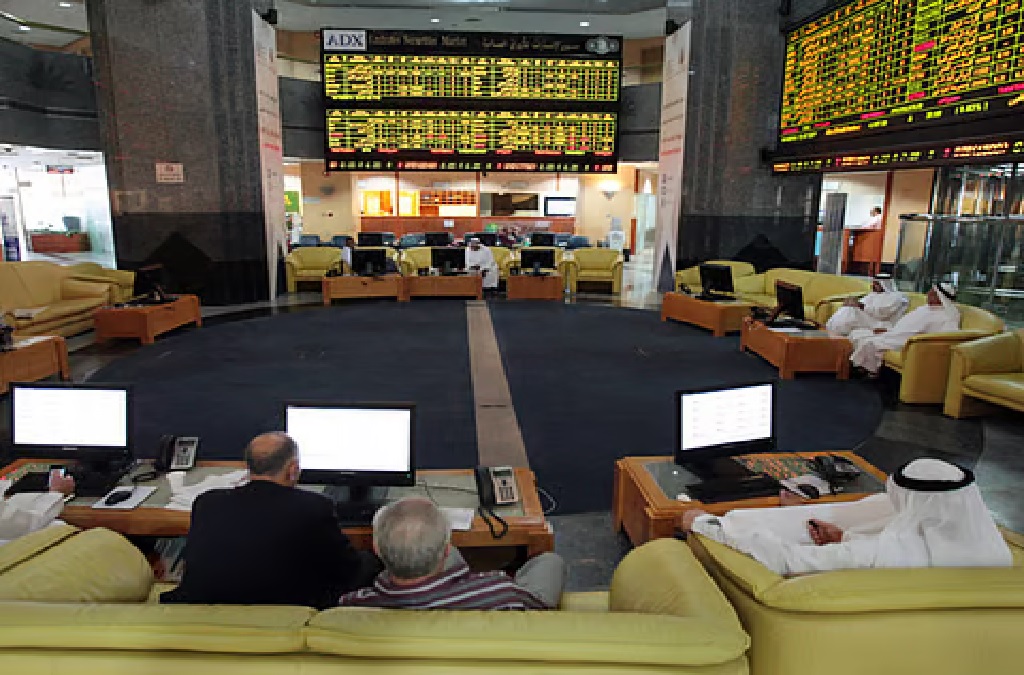
Middle Eastern Stock Markets Decline Amid U.S. Tariff Concerns
On March 14, 2025, Dubai’s stock market dropped by 0.9% after two days of gains. The decline was mainly due to new tariff threats from U.S. President Donald Trump. The real estate sector suffered the most, with Emaar Properties losing 2.2% and its construction arm, Emaar Development, falling by 2.8%.
Global Trade Tensions Impact Gulf Markets
Financial markets in the broader Gulf region have been struggling due to growing trade conflicts. President Trump recently announced new tariffs, including a 25% duty on imports from Canada and Mexico starting March 4. Additionally, a 10% tariff on goods from China has raised fears of a global trade war. As a result, oil prices dropped by over 1%, affecting Gulf economies that rely heavily on oil exports.
Stay up to date with the latest news. Follow MET on Instagram.
Dubai’s Banking and Investment Sectors Show Mixed Results
Other sectors in Dubai also faced turbulence. The Commercial Bank of Dubai saw its shares fall by 6.1% after trading ex-dividend. However, Dubai Investments gained 4.4% after announcing a 44% rise in annual dividends. These mixed results highlight the uncertainty in the market.
Abu Dhabi’s Market Sees Slight Gains
While Dubai stocks declined, Abu Dhabi’s stock index managed to rise by 0.1%. First Abu Dhabi Bank gained 1.1%, and Emirates Telecommunications Group increased by 1.4%. Gulf Cement shares climbed 1.8% after receiving a takeover offer. However, despite these small gains, both Dubai and Abu Dhabi have seen losses for four consecutive weeks, with Dubai falling by 1.6% and Abu Dhabi by 0.3%.
Global Markets Face a Downturn
Trade tensions have also impacted international markets. The S&P 500 entered correction territory, falling over 10% from its recent peak. The Nasdaq Composite dropped more than 14% as investors worried that tariffs could slow economic growth and increase inflation.
Investors Watch U.S. Economic Reports
Investors are now focusing on upcoming U.S. economic data, such as the Consumer Price Index and Producer Price Index. These reports will influence Federal Reserve interest rate decisions. Since Gulf Cooperation Council (GCC) countries often follow U.S. monetary policies due to currency ties, these developments are crucial for the Middle Eastern stock market.
Conclusion: Uncertainty Ahead for Middle Eastern Stocks
The latest U.S. tariff threats have increased volatility in the Middle Eastern stock market, especially in Dubai’s real estate sector. As global trade issues continue, investors remain cautious and closely watch economic indicators and policy changes.
Also read:
ADIA Expands US AI Investments as Abu Dhabi Sovereign Fund Ramps Up Strategy
U.S. Pushes to Sell TikTok: Four Buyers in Talks