

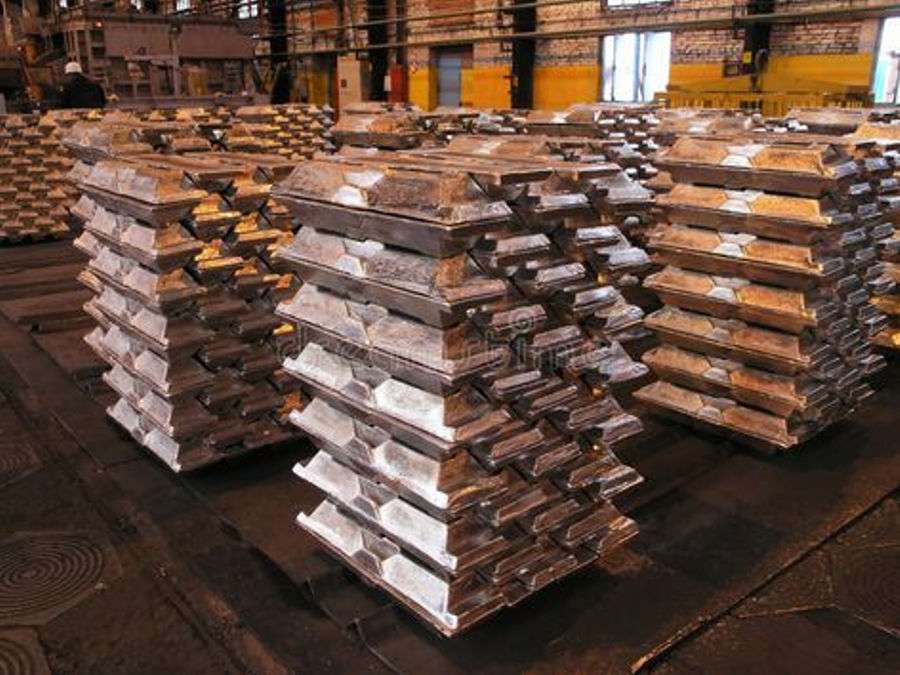
UAE Aluminium Exports Surge Before U.S. Tariffs Take Effect
Trump Imposes 25% Tariffs on Aluminium Imports
President Donald Trump enforced 25% tariffs on U.S. steel and aluminium imports. His goal was to strengthen domestic production and reduce dependency on foreign suppliers.
UAE Aluminium Exports to the U.S. Hit New High
UAE aluminium exports to the U.S. surged in early March before the tariffs started. In the first 11 days of March, the UAE exported 68,560.29 metric tons. This was a sharp increase from 16,124.88 metric tons in March 2024. Exporters rushed shipments to avoid higher costs.
UAE Emerges as Key Supplier After Canada
Canada supplied 70% of the U.S. aluminium demand in 2024. The UAE ranked second, contributing 8% of total consumption. Trade tensions forced U.S. importers to seek alternative sources. The UAE gained an advantage with its cost-effective production.
Canada Responds with Retaliatory Tariffs
Canada imposed 25% tariffs on U.S. steel, aluminium, and various other products. The U.S. could increase tariffs further, intensifying trade disputes. These trade conflicts affected global supply chains.
UAE Aluminium Industry Benefits from Lower Costs
UAE aluminium producers operate at lower costs compared to Canadian producers. Emirates Global Aluminium (EGA) remains the world’s lowest-cost aluminium producer. The UAE can still profitably export aluminium to the U.S. despite the tariff. Production efficiency helps maintain competitiveness.
EGA Predicts Aluminium Price Volatility
EGA expects aluminium price fluctuations in 2025 due to global trade tensions. Alumina markets will likely stabilize as new production capacity comes online this year. Uncertain market conditions could impact future investments.
U.S. Buyers Seek Alternative Suppliers
U.S. users rely on Canadian aluminium producers like Alcoa and Rio Tinto. Analysts predict that buyers will diversify suppliers to reduce risks. Supply chain adjustments could reshape global trade patterns.
Aluminium Prices Show Market Fluctuations
Benchmark aluminium prices rose 5% this year, reaching $2,675 per metric ton. Prices peaked at $2,736 in February but have since retreated. Market uncertainty continues to influence price movements.