

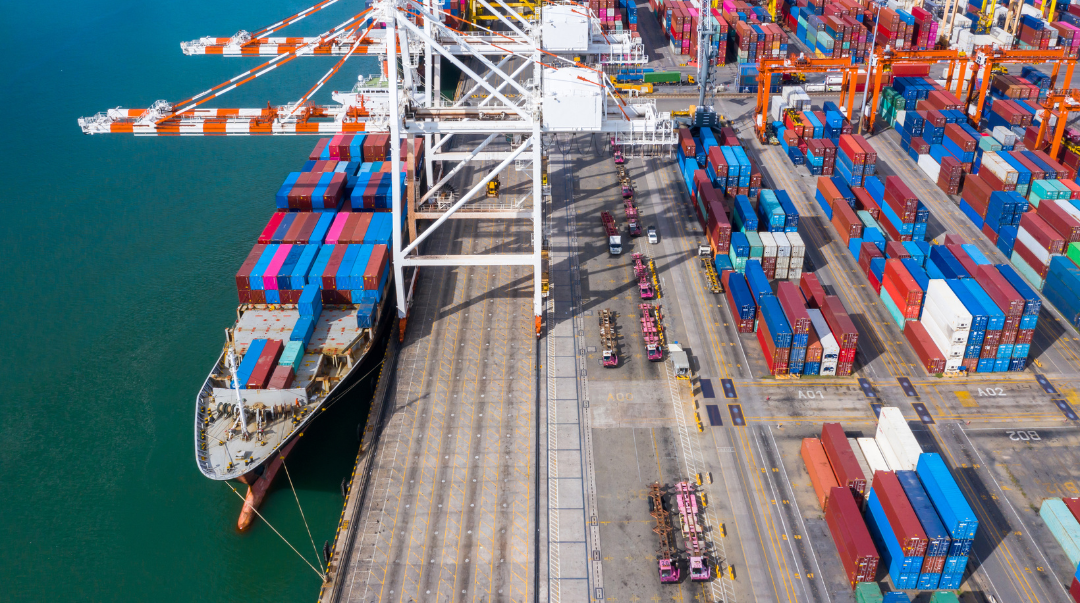
Tariff policies aim to protect local businesses by making imported goods more expensive. The idea is to encourage Americans to buy locally made products, boosting U.S. industries and jobs. However, these policies have both benefits and downsides, and their overall impact is widely debated.
Economic Effects of Tariff Policies
Tariffs help American manufacturers by reducing competition from cheaper foreign products. Industries like steel and aluminum benefit the most since fewer imported alternatives are available. However, these same tariffs make materials more expensive for U.S. businesses that rely on imports, increasing production costs. As a result, companies may raise prices, affecting consumers and leading to potential job losses.
A study by the University of Chicago found that tariffs do not always improve Americans’ economic well-being. While some industries gain, higher costs hurt many others, making tariffs a mixed bag.
Global Trade Conflicts
When the U.S. imposes tariffs, other countries often strike back with their own. China, for example, added tariffs on U.S. goods like natural gas, coal, and farm equipment. Canada and Mexico also reacted, promising to introduce countermeasures. This tit-for-tat response can disrupt global trade, harming businesses on all sides.
Tariff Policies Impact on American Consumers
Tariff policies often lead to higher prices for everyday products, from cars to electronics. Even American-made products can become more expensive since manufacturers pay more for materials. This cost increase affects the entire supply chain, making it harder for families to afford essential goods.
Historical Perspective and Future Outlook
Former President Trump favored high-tariff policies similar to those in the late 19th century. However, today’s economy is different, and experts question whether this strategy will work long-term.
Going forward, the U.S. must decide whether to continue using tariffs or explore alternative trade solutions. The right approach could protect jobs without harming businesses and consumers. Balancing these factors will be key to ensuring a strong economy.
Also Read:
10% Tariff on China: What It Means for the Gulf
Trump’s Tariffs Shake Up Metal Markets