

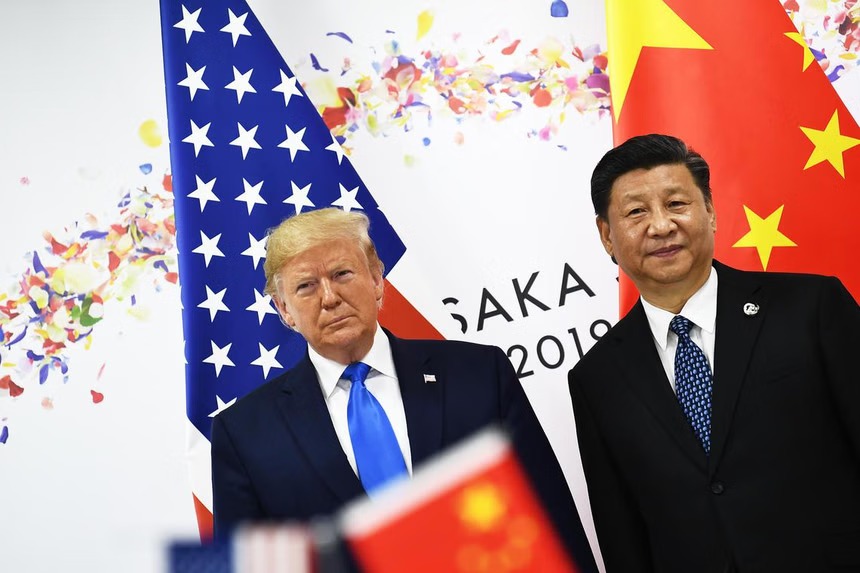
The United States has recently imposed a 10% tariff on China. This means that products imported from China into the U.S. will become more expensive. The tariff affects a wide range of goods, from electronics to clothing. While this change targets trade issues between the two countries, it also creates challenges for the Gulf region.
10% tariff on China: Impact on Gulf Trade
The Gulf countries, including Saudi Arabia, the UAE, and Qatar, have strong trade ties with both China and the U.S. China is a major exporter to the Gulf, while the U.S. is an important investor and business partner. The 10% tariff on China could make Chinese products more expensive in the Gulf markets. Gulf businesses that rely on affordable Chinese goods might struggle with higher costs.
Oil and Energy Concerns
China is the world’s largest buyer of oil, and the Gulf is a leading oil exporter. If the tariff disrupts trade between the U.S. and China, it could affect global energy markets. Gulf countries might see changes in demand for their oil, which could lead to price fluctuations. This adds a layer of uncertainty to the Gulf’s already volatile oil market.
10% tariff on China: Challenges for Gulf Businesses
Gulf-based businesses that import Chinese products may face higher expenses due to the tariff. As a result, they might have to raise prices or look for cheaper suppliers. For companies that export goods to the U.S., the 10% tariff on China could mean increased costs for the Chinese goods they depend on. This could make it harder for Gulf companies to compete in the global market.
Shifting Alliances and Future Strategy
The 10% tariff on China may push Gulf countries to explore new trade routes and partners. These countries might deepen ties with other markets like India or Southeast Asia. At the same time, Gulf states may need to balance their relationships with both the U.S. and China, which could lead to shifts in diplomatic strategies.
In conclusion, while the 10% tariff to China presents challenges, it could also bring new opportunities for the Gulf region. How Gulf countries respond will determine their future trade success.