

UAE Research Stations: Pioneering Emirati Scientists Conquer Antarctica
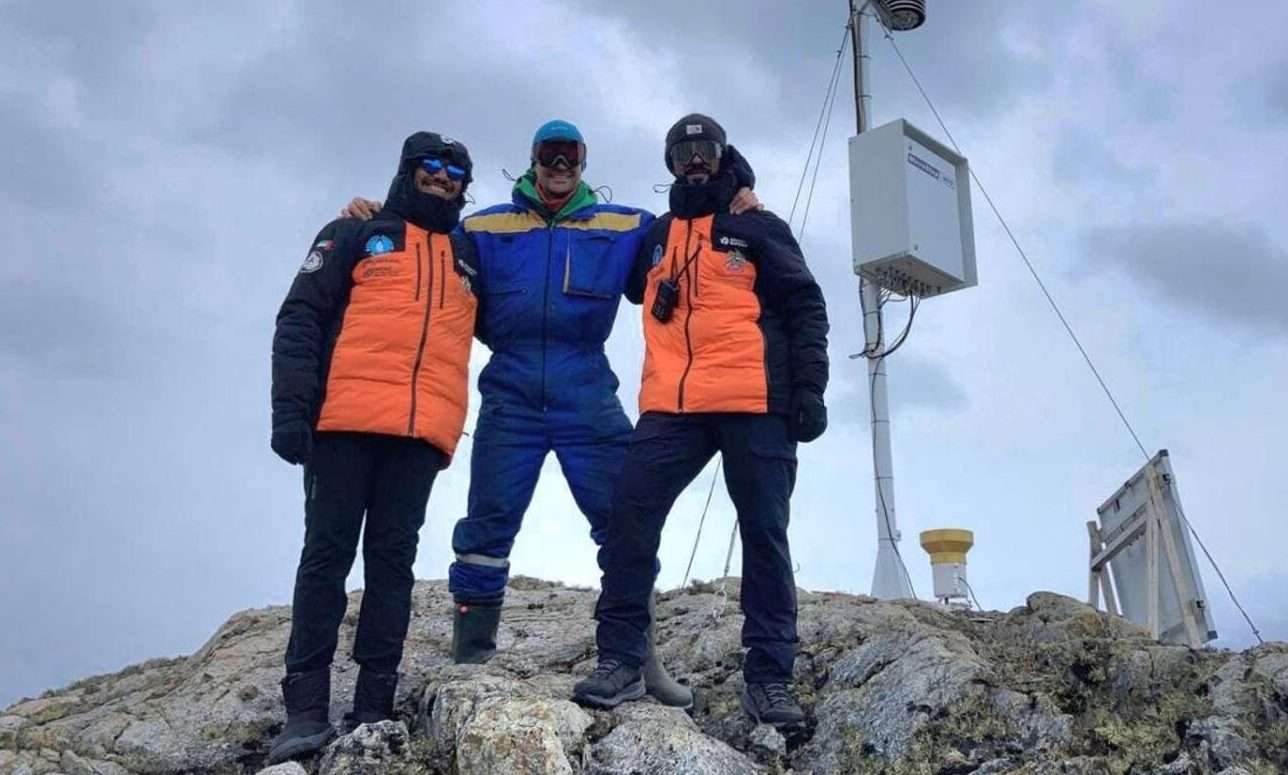
UAE research in Antarctica reached a historic milestone as Emirati scientists Ahmed Mansour Al Kaabi and Eng. Badr Alameri successfully established the country’s first research stations. These stations focus on weather monitoring and seismic research, marking the Arab region’s groundbreaking entry into this critical scientific field.
Overcoming Extreme Challenges
The journey began on December 20, with the team flying from Abu Dhabi to Sofia, Rome, Buenos Aires, and Ushuaia. From there, they navigated the Drake Passage, infamous for its turbulent waters, enduring 10-12 feet waves and howling winds. Despite severe sea sickness, they reached Antarctica on December 28, prepared to face extreme conditions.
Building the Research Stations
Al Kaabi and Alameri installed advanced meteorological and seismic stations during their 24-day mission. Each weather station included eight sensors monitoring temperature, humidity, pressure, wind speed, and solar radiation. Alameri also set up two seismic stations to record glacial and volcanic activities. Transporting the equipment, including 60kg batteries, required immense physical strength and meticulous teamwork.
Adapting to Antarctic Conditions
The scientists worked 12-hour shifts daily in temperatures ranging from -3°C to +5°C, enduring fierce winds. Adjusting to the perpetual daylight, they covered windows to simulate darkness and rest properly. Their clothing included four to five layers, specially designed for polar conditions.
Life Beyond Research
During downtime, the duo used satellite phones to contact their families and assisted in cooking. They sent 10 postcards from Antarctica as a unique souvenir of their journey. Exploring the icy wilderness, they cruised past icebergs, witnessed volcanic ash, and observed penguins, seals, and rare birds.
The Mission’s Legacy
This UAE research effort has laid the foundation for the nation’s long-term contributions in Antarctica. By collecting and analyzing data, they aim to enhance understanding of the region’s environmental patterns. This historic mission symbolizes UAE’s commitment to global scientific collaboration and environmental preservation.